Fitness Trackers for Mental Health: Track Mood Patterns
10th May•9 min read
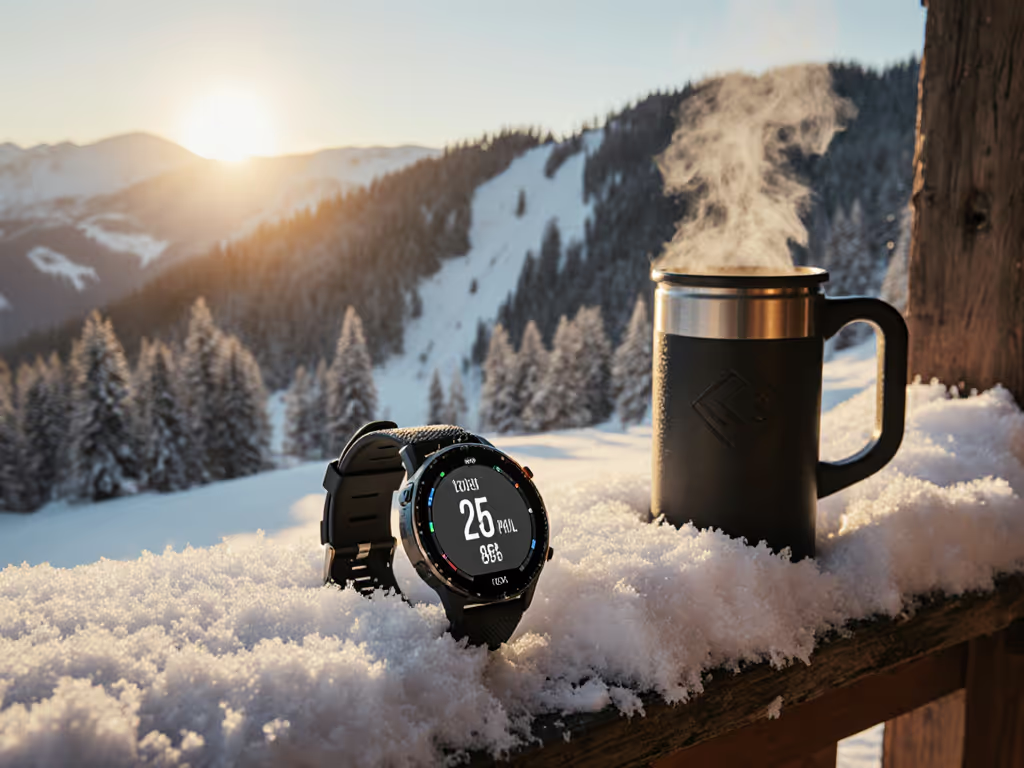
When the thermometer drops, your fitness tracker shouldn't become a paperweight. Many of us struggle with cold weather fitness tracking that fails when we need it most (during snow-shoveling sprints, ski vacations, or those precious lunchtime walks when winter light fades fast). As someone who helps people make technology work with their real lives (not the other way around). I've seen how winter sports activity monitor tools often punish users for seasonal shifts instead of adapting to them. A nurse once told me how her device shamed her every rotating shift change; we simply muted the judgmental badges and shifted to rolling weekly targets. Three weeks later, her sleep debt shrank and the shame disappeared. Fitness tools should flex to people, not punish them.
Cold temperatures create unique challenges for wearable tech that have nothing to do with your dedication. Most optical heart rate sensors struggle when blood vessels constrict in frigid air (especially on darker skin tones where light absorption differs). If you're concerned about winter readings on darker skin, see our fitness tracker skin tone accuracy tests for practical tips. Battery life plummets as lithium ions move slower in low temperatures, and glove-covered wrists disrupt consistent skin contact needed for accurate readings. If cold commutes drain your watch, consider these week-long battery life trackers for winter use. GPS drift becomes more pronounced in snowy landscapes where tree cover compounds signal interference.
Small, repeatable wins beat flashy charts and streaks
The good news? These aren't limitations of you; they're limitations of devices not designed for real-world conditions. That nurse's story taught me that low temperature performance issues often reflect poor design choices rather than user error. When trackers fail to account for winter conditions, they set us up for frustration and abandonment. Instead of questioning your effort, question whether your device's defaults serve your seasonal reality.
Before blaming your tracker, optimize where and how you wear it. For activity-specific wear tips (chest strap vs wrist vs ring), see our form factor guide. In freezing conditions, place your device under your base layer sleeve rather than over it. This maintains skin contact while protecting against extreme cold. If wearing gloves, choose thin thermal liners that still allow sensor contact. For ski tracking accuracy, position your tracker on your nondominant wrist (less movement during pole planting) and tighten the band slightly more than summer settings to prevent slippage in bulky outerwear.
Low-cognitive-load tip: Set a seasonal reminder in your phone to adjust band tightness when temperatures drop below 40°F (4°C). This small habit prevents the "why won't this work?" panic when heading outdoors.
Default notifications designed for summer routines become counterproductive in winter. That "You haven't moved in an hour" alert during a snowstorm? Counterproductive. Instead of shaming you for necessary indoor time, your device should support your seasonal rhythm.
These defaults prioritized for winter acknowledge that your activity spreads differently across shorter daylight hours. You'll find that consistent tracking emerges not from intensity, but from patterns that fit your actual life.
Winter running metrics require different interpretation than summer data. Cold air density affects perceived effort, and snow resistance alters stride patterns. Instead of comparing today's pace to July's personal best, track consistency: how many days you maintained your layered routine, not how fast you moved through snowdrifts.
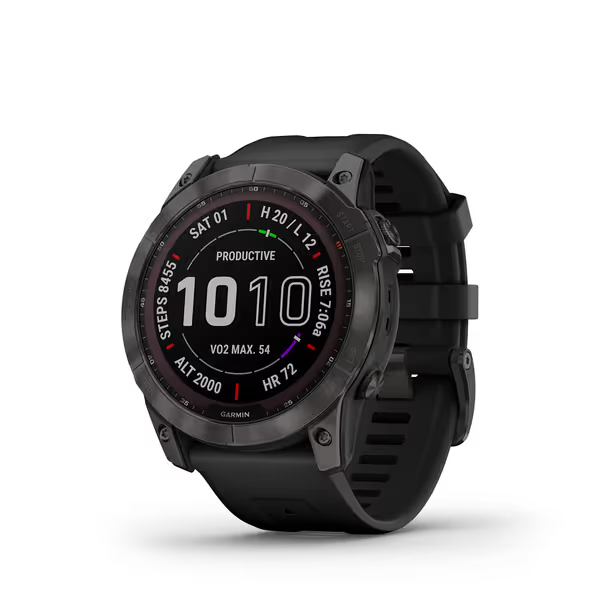
For those tackling variable winter terrain, consider a device with multi-band GPS that handles challenging environments. For feature checklists tailored to snow, altitude, and backcountry routes, see our winter hiking tracker guide. Some models maintain position accuracy even when tree cover and snow reflectivity confuse standard GPS signals, which is critical for backcountry skiers who need reliable ski tracking accuracy when following routes through powder.
Your tracker's winter job isn't to prove you're working harder than summer; it is to help you maintain sustainable movement through challenging conditions. Shift your focus from daily step counts to rhythm metrics: how consistently you layered properly, how well your wind-down routine transitioned you from cold exposure to restful sleep. For how trackers measure sleep stages and turn them into actionable insights, see our sleep tracking science.
When reviewing your winter sports activity monitor data each week, ask:
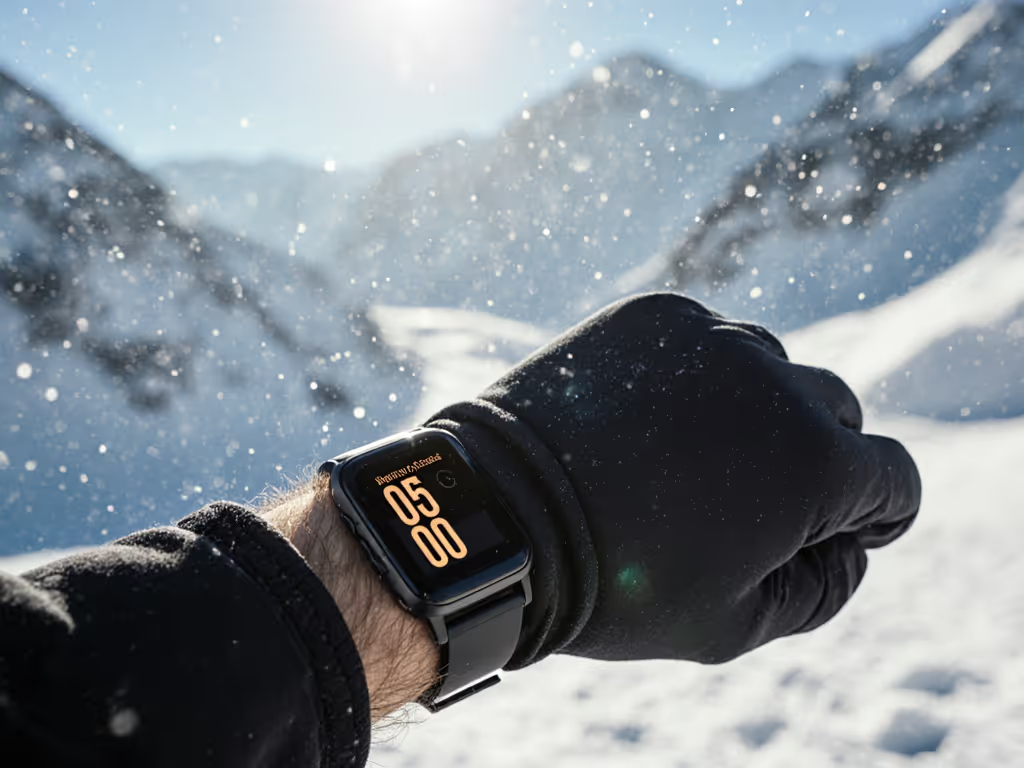
Many winter athletes find "active minutes" more meaningful than step counts; snowshoeing, shoveling, and ski touring generate movement that steps alone miss. Focus on these inclusive metrics that acknowledge all winter movement, not just pavement pounding. This approach aligns with the principle that consistency beats intensity when the device fits your life.
Before your next winter workout, spend just two minutes adjusting your notification settings:
This tiny shift mimics what helped that nurse with rotating shifts, removing punitive feedback while preserving supportive cues. Tomorrow's walk in the snow won't feel like a battle against your device, but a partnership with technology that serves your actual life. Small, repeatable wins build the foundation for year-round consistency.
When your winter tracking stops judging and starts adapting, you'll discover that cold weather fitness tracking isn't about surviving the season; it is about thriving through it. After all, kind routines and clear settings create the space for sustainable habits that last beyond winter's thaw.