Heatproof Chef Wearables: Kitchen-Tested Trackers Reviewed
30th Jan•7 min read
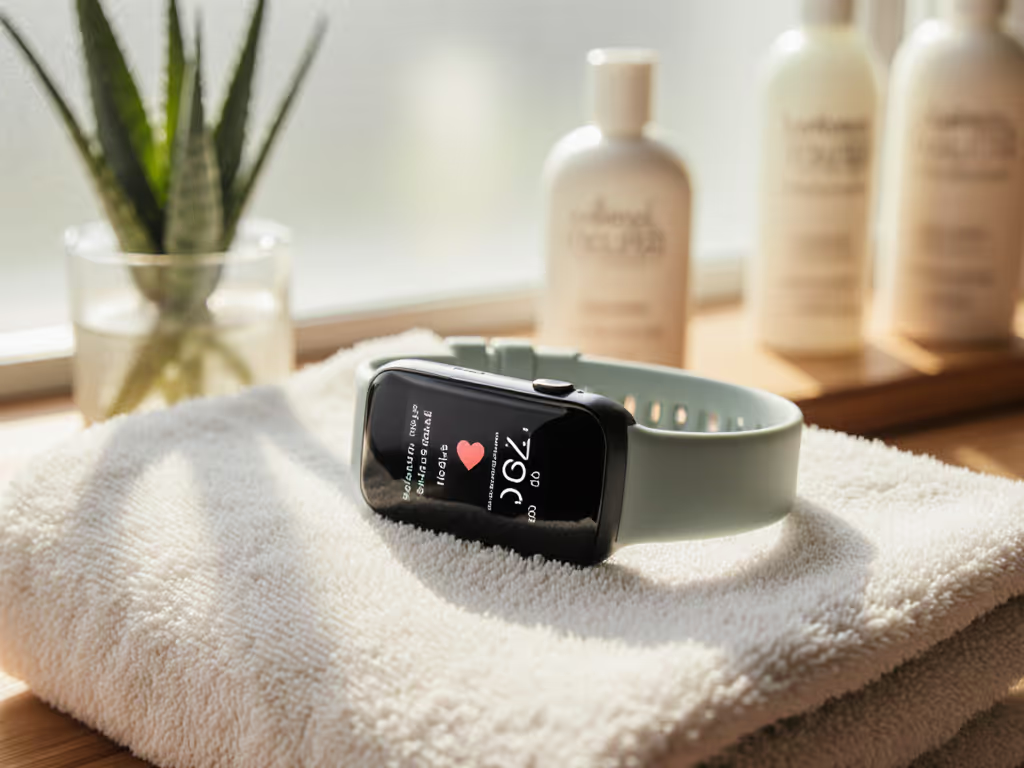
When you're searching for fitness trackers for sensitive skin, you're not just looking for a device that tracks steps, you need hypoallergenic wearable tech that stays comfortable during your longest workouts and deepest sleep cycles. Too many wearables promise health insights but deliver red rings, itching, and premature abandonment instead. As someone who tests straps across different skin types, body sizes, and mobility needs, I've learned that comfort isn't the opposite of performance (it is performance). When your tracker feels good, the data gets better. For a comfort-focused head-to-head, see our Apple Watch 9 vs Fitbit Charge 6 accuracy test.
That rash beneath your band isn't just annoying, it's compromising your data. When skin becomes irritated, optical sensors lose consistent contact, creating gaps in heart rate readings that can skew calories burned by up to 20%. According to a recent dermatology study, 37% of regular fitness tracker users report some form of skin reaction, with nickel allergy sufferers particularly vulnerable to certain watch backs and clasps.
Materials matter more than specs when it comes to all-day wear. Cheap silicone straps often contain phthalates and plasticizers that degrade into skin-irritating compounds when heated by body temperature. Even "hypoallergenic" labels can be misleading, many still contain trace acrylates from adhesives that trigger reactions in sensitive users. I learned this firsthand when a summer commute left me with a red ring matching my eczema pattern; swapping to a breathable loop and adjusting the sensor position improved both rash and heart-rate accuracy.
When discomfort forces you to remove your tracker, you're not just losing step counts, you're undermining the very purpose of continuous health monitoring. Inconsistent wear creates data gaps that make sleep patterns unreadable and stress metrics unreliable. If sleep tracking matters to you, here's the science behind how wearables measure sleep. For people with chronic conditions like eczema or psoriasis, the problem becomes cyclical: irritation leads to removal, which creates incomplete health data, which prevents meaningful insights for managing their condition.
Manufacturers often design for "average" wrists, ignoring how band pressure affects different skin types. One-size-fits-all straps dig into delicate skin on smaller wrists while sliding around on larger ones, causing friction burns. And let's be clear: if it hurts or shames you, it won't be used. No amount of advanced metrics matters if the device spends more time in your drawer than on your wrist.
Look for trackers with Electroless Nickel Immersion Gold (ENIG) finishes on the optical sensor housing. Gold is naturally hypoallergenic and prevents corrosion from sweat exposure, which is critical since fitness trackers face pH levels between 4.5 and 7.5 during workouts. This finish maintains integrity after 1,000+ hours of salt spray testing, according to industry reports.
For bands, prioritize these materials:
Steer clear of these common irritants:
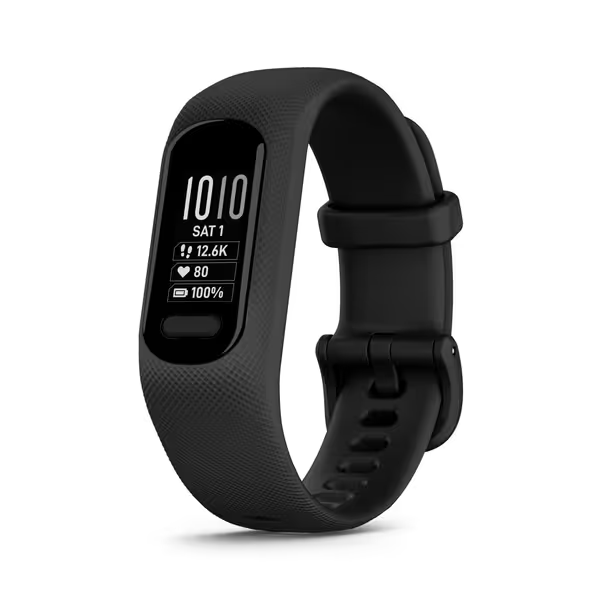
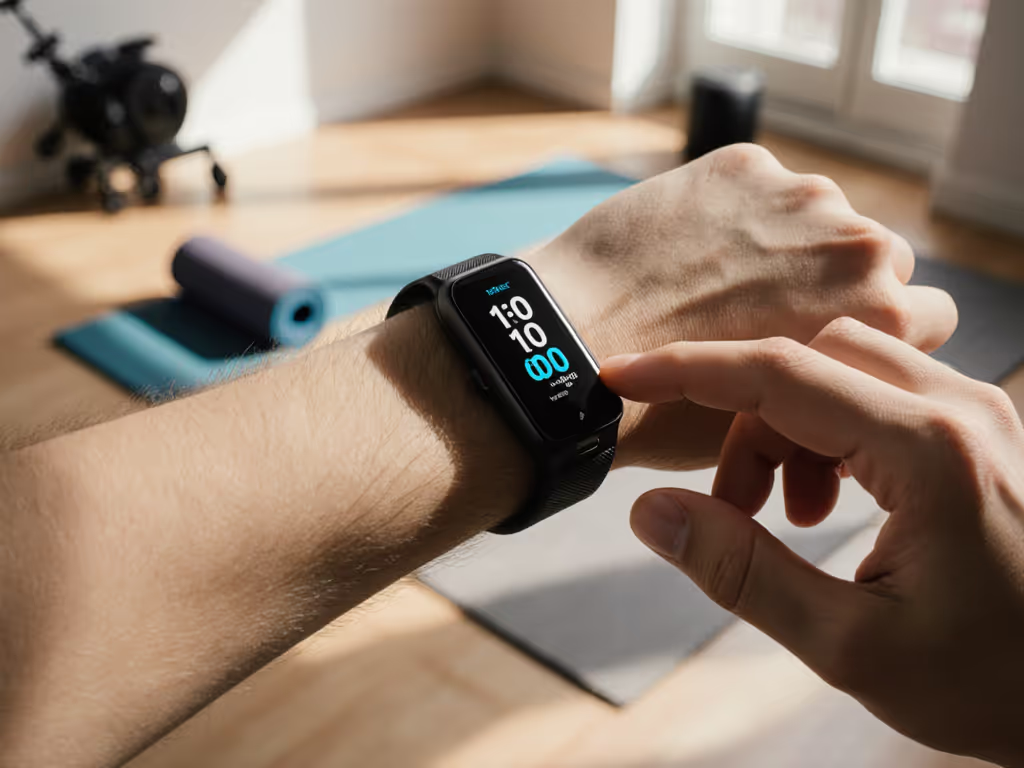
A proper fit isn't just about comfort, it's about maintaining consistent optical contact. Too tight creates pressure-induced blood flow restriction that distorts readings; too loose causes movement artifacts that create false spikes. For optimal results:
For people with darker skin tones or tattoos, slightly off-center placement often improves optical sensor contact by avoiding areas where pigmentation interferes with light absorption. We also tested skin tone accuracy across major brands to help you choose sensors that perform consistently. This small adjustment can reduce heart rate error rates by up to 40% during high-intensity intervals.
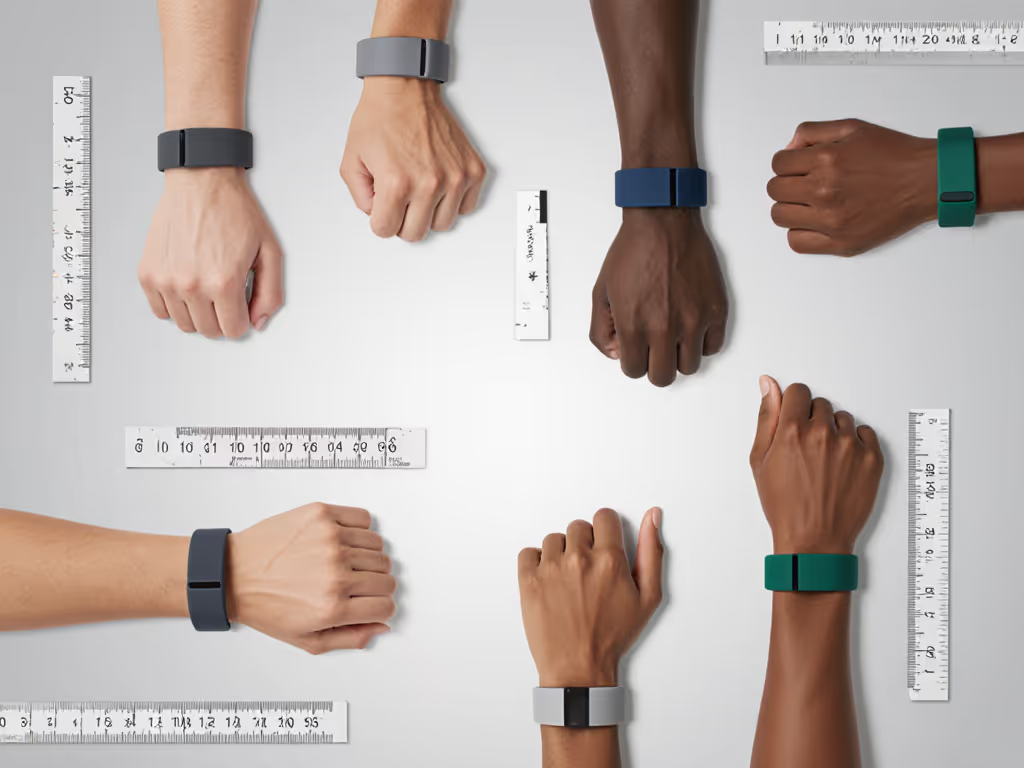
True inclusivity means accommodating wrist circumferences from 12cm to 24cm without compromising sensor placement. Look for:
For swimming or heavy sweating activities, choose trackers with IP68 or 5ATM water resistance that won't degrade when exposed to chlorinated water. Remember: waterproof doesn't mean irritation-proof (sweat and chemicals still accumulate inside the band).
Dermatologist recommended wearables follow a simple rule: materials that touch skin should pass the same biocompatibility tests as medical devices. If the manufacturer can't provide ISO 10993 certification for skin-contact materials, keep looking.
Choosing eczema-friendly fitness bands isn't about settling for less, it's about recognizing that accurate data requires consistent wear, which demands real comfort. Your tracker should adapt to your body, not force your body to adapt to it. When you prioritize skin-safe materials and inclusive fit, you're not just preventing rashes, you're ensuring the data you base health decisions on actually reflects your reality.
The next time you feel that familiar itch developing, remember: comfort isn't a luxury feature. It's the foundation of reliable biometric tracking. Before adding another device to your cart, check the materials list, verify nickel content, and ensure sizing accommodates your specific wrist dimensions. Your skin (and your data) will thank you.
Take this actionable step today: Remove your current tracker and examine where irritation occurs. Is it the clasp? The sensor housing? The band material? Armed with this knowledge, you can make an informed decision that keeps no wrist left behind in the pursuit of better health data.