Fitness Trackers for Mental Health: Track Mood Patterns
10th May•9 min read
When menopause fitness tracking finally meets biometric symptom management, women gain more than data, they reclaim agency. Suddenly, those unexplained hot flashes, sleep disruptions, and heart rate fluctuations transform from frustrating mysteries into patterns you can actually work with. This isn't about chasing perfect metrics; it's about decoding your body's signals to make smarter daily choices. As someone who's tested cross-platform setups for years, I've seen how the right tracking approach can reduce stress, improve sleep quality, and help you navigate hormonal shifts without constant blood tests or expensive specialist visits. If you're feeling overwhelmed by metrics, see our guide to using tracker data for real behavior change.
Traditional fitness trackers were built for a single physiological baseline, something most women outgrow by their mid-30s. During perimenopause and menopause, the very metrics these devices track undergo fundamental changes:
A recent study confirmed what many women already know: 1 in 4 perimenopausal women miss work due to unmanaged symptoms. Yet most wearables still treat female physiology as a minor variant of male baseline data. That's why right-sizing your tech to match your actual biology matters more than ever.
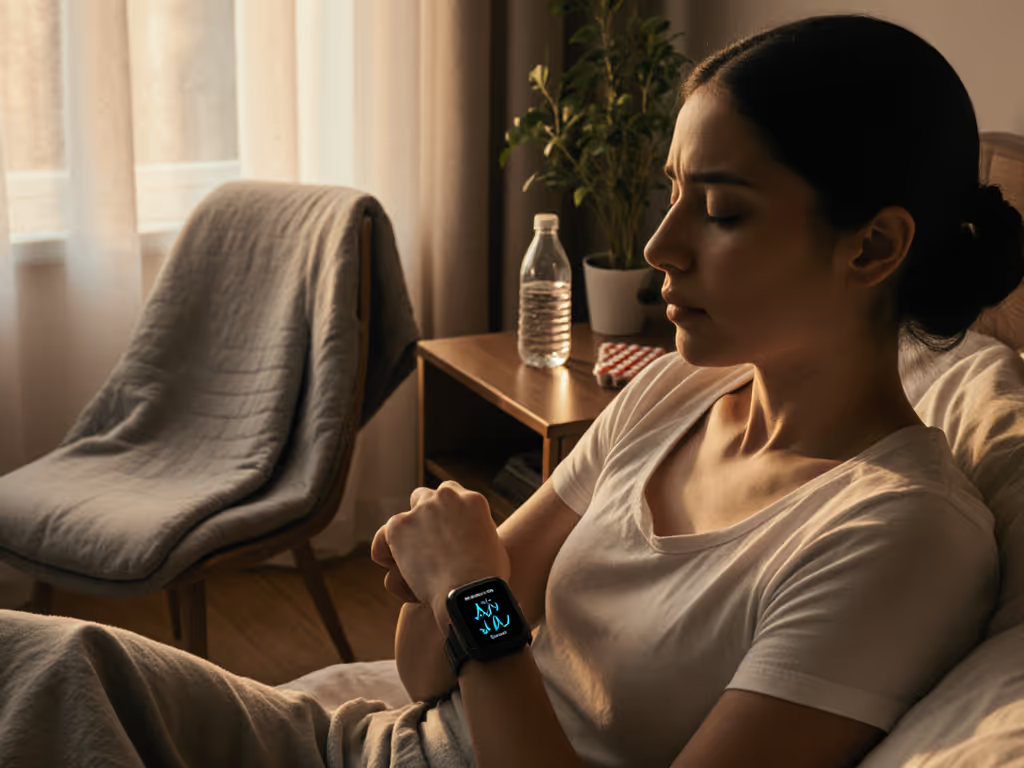
During menopause, sleep disruption isn't just about fewer hours, it's about fragmented cycles that leave you exhausted despite "adequate" sleep time. Standard sleep scoring often fails spectacularly here: To understand how devices measure sleep stages and where errors arise, read our sleep tracking science explainer.
Platforms that succeed integrate sleep disruption data during menopause with other biometric markers. For example, one mid-range wearable I tested correlates elevated nighttime heart rate with subsequent daytime fatigue, making the connection between sleep quality and afternoon energy crashes obvious (not just possible).
Tracking hot flashes manually is notoriously unreliable. By the time you log it, you've forgotten intensity or duration. Newer approaches transform this:
When my family ran three different ecosystems simultaneously (one premium, two budget), we discovered something surprising: the mid-priced device with better temperature sensors actually outperformed the premium model for hot flash tracking. Switching mattered more than specs on paper.
Forget marketing hype. When evaluating menopause fitness tracking options, focus on these outcomes-based metrics:
Switching costs matter as much as features on paper.
You don't need the latest device to start:
This creates your reference point before investing in new hardware, something my family learned the hard way after buying premium devices that ignored our actual needs.
Look for devices that play well with others:
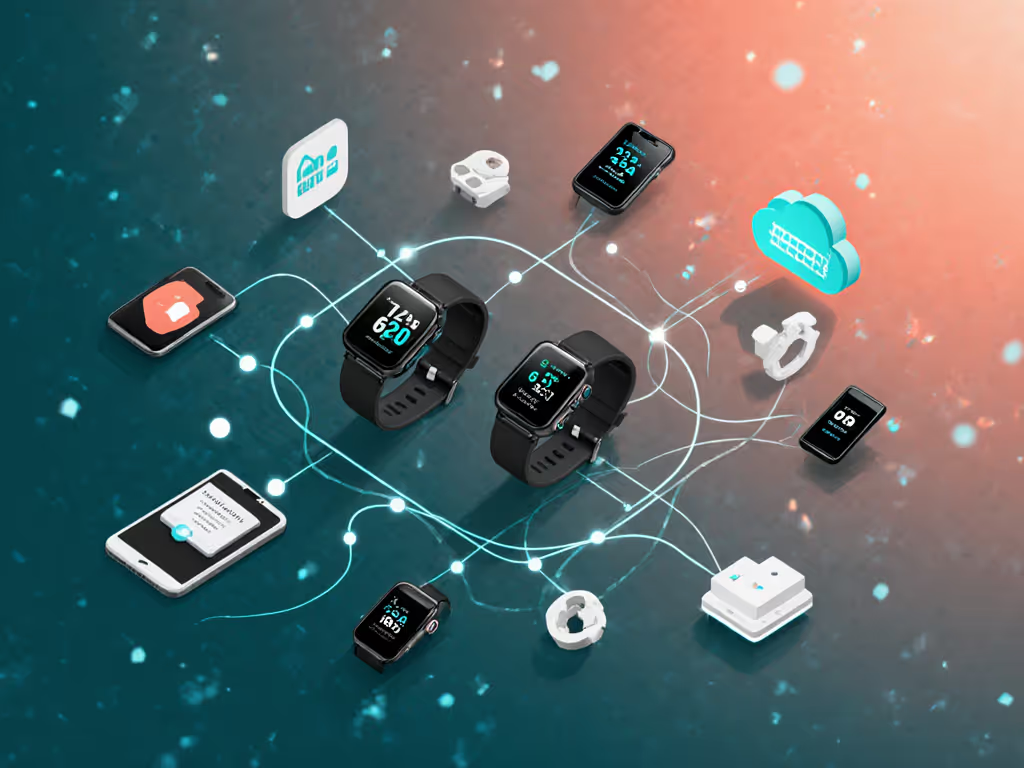
This approach avoids data lock-in, which is critical as your needs evolve across menopause stages. If you juggle multiple apps or devices, build a unified fitness tracker dashboard to keep everything in one place. I've seen too many women abandon trackers because they couldn't migrate their historical data to a better-suited device.
Don't trust manufacturer claims. Test devices under actual conditions:
One budget-friendly tracker I tested consistently outperformed premium models for hormonal health monitoring simply because its algorithm was trained on diverse menopausal bodies (not just athletes in their 20s).
Many women hold onto underperforming trackers due to sunk-cost fallacy. Instead, evaluate based on these plain-speak criteria: Before you decide, compare real subscription costs across brands to calculate true total ownership.
My family's switch saved hundreds in the first year, not by "downgrading" but by right-sizing our tech to match our actual symptom patterns. We gained comfort, accuracy, and mornings without constant complaints about mismatched gear.
Menopause fitness tracking succeeds when it stops being about optimization and starts serving your actual life. The best biometric symptom management systems don't demand behavioral changes to fit the device, they adapt to your body, schedule, and priorities.
Stop accepting generic insights that treat menopause as an anomaly. Demand technology that recognizes your physiology as the norm it is. Right-size your tech to match your needs today (not some theoretical ideal from a marketing brochure).
Want to dive deeper into making your tracking data work for you? Explore our full comparison of menopause-focused wearables with real-world accuracy testing across diverse body types and symptom profiles.